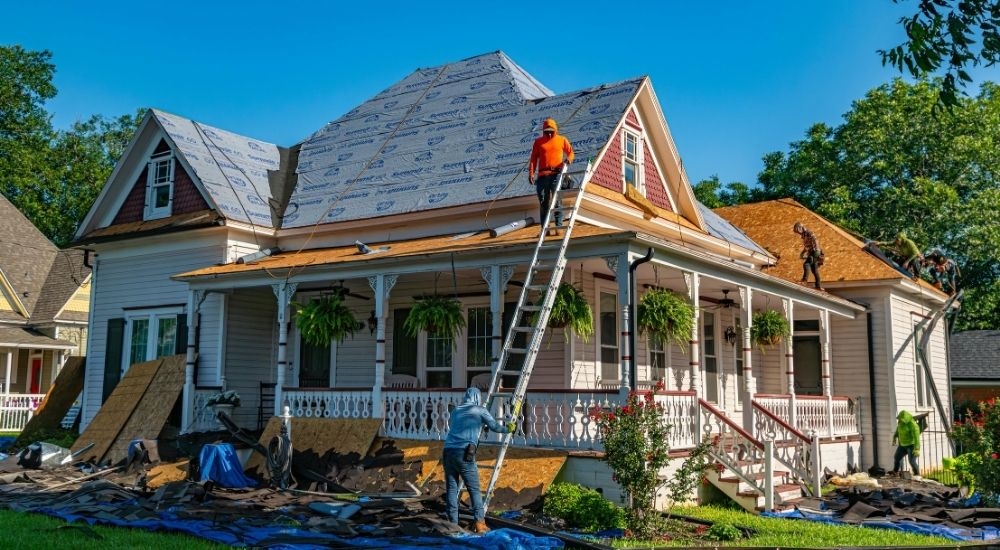
How to coordinate chimney repairs with roof replacement projects

How to coordinate chimney repairs with roof replacement projects

Why coordinate chimney works with roof replacement

Purpose—deliver a single, watertight system at the roof’s most leak-prone penetration; Avoid rework—integrate new roof flashing with the chimney once, not twice, to prevent later dismantling; Risk reduction—aged flaunching, cracked masonry, and perished lead are frequent leak sources that undermine new roofing; Value for Cork properties—wind-driven rain, coastal exposure, and heritage brick/stone stacks demand robust detailing; Ideal timing—coordinate when slates/tiles or flat membranes are off so all interfaces are fully accessible; Stakeholders—homeowners, landlords, commercial property owners, facilities managers, and businesses gain cost, programme, and warranty efficiencies.

Coordinating chimney works with your roof replacement creates one coherent, watertight system at the most leak-prone penetration. Before new slates/tiles or flat membranes go down, schedule a comprehensive chimney inspection to assess masonry, flaunching, leadwork, and trays. Tackle repointing, replace worn lead aprons, step flashings, and back gutters, and plan partial or full rebuilds where cracks, frost damage, or movement have compromised the stack. Integrating new flashing and soakers with the underlay and roof covering once—not twice—prevents dismantling fresh roofing later and safeguards warranties. This approach focuses on chimney inspections, repointing, flashing, and full rebuilds when required because sound chimney structures and detailing are critical to roof safety and weatherproofing.

Quick checks for Cork roof projects

  • Inspect and photograph chimney masonry, pots, flaunching, and leadwork before coverings are reinstated.
  • Your trusted roofing services provider in Cork, Ireland. Our team is made up of skilled, certified professionals who take pride in delivering excellent workmanship. Using modern tools and premium materials, we ensure every project meets the highest standards of safety, strength, and appearance. Whether you need roof repairs, flat roof work, gutter repairs, chimney services, or a full roof replacement, we offer fast, dependable service with no hidden fees and same-day quotations. We begin every job with a thorough inspection to assess the condition of your roof and recommend the best solution. Our technicians are trained across a wide range of roofing systems and follow strict industry and safety standards. We are committed to maintaining a respectful, professional work environment supported by our Dignity at Work policies and employee handbook. Roofers Cork City Our team is made up of skilled, certified professionals who take pride in delivering excellent workmanship. Using modern tools and premium materials, we ensure every project meets the highest standards of safety, strength, and appearance. Whether you need roof repairs, flat roof work, gutter repairs, chimney services, or a full roof replacement, we offer fast, dependable service with no hidden fees and same-day quotations. We begin every job with a thorough inspection to assess the condition of your roof and recommend the best solution. Our technicians are trained across a wide range of roofing systems and follow strict industry and safety standards. We are committed to maintaining a respectful, professional work environment supported by our Dignity at Work policies and employee handbook.. With years of experience in the industry, we have built a solid reputation for delivering high-quality roof repairs in Cork and its surrounding areas. About Us At our company, we prioritize the well-being of our employees and maintain a strong commitment to upholding a Dignity at Work policy. We have an Employee Handbook in place to ensure a fair and inclusive working environment where everyone is treated with respect and professionalism. Our Quality Policy and Customer Satisfaction are at the core of everything we do. We go above and beyond to deliver exceptional results that not only meet but exceed our customers’ expectations..
  • Specify compatible mortar for repointing that suits heritage brick/stone where applicable.
  • Set out step flashing, soakers, aprons, and back gutters with correct laps, fixings, and chase depths.
  • Include lead trays or damp-proof barriers where moisture tracking is a risk.
  • Hose-test the junctions before slates/tiles or membranes are laid back.
  • Leak defence: aged flaunching, cracked masonry, and fatigued lead are common sources of water ingress that can undermine new roofs.
  • Avoid rework: fit all flashing, trays, and weathering details during the roof replacement to prevent future disruption and cost.
  • Ideal timing: with slates/tiles or membranes off, all abutments, back gutters, and hidden interfaces are fully accessible for proper detailing.
  • Cork resilience: wind-driven rain, coastal exposure, and heritage brick/stone stacks demand robust, correctly lapped leadwork and sound repointing.
  • Safety and structure: stabilise loose pots, renew flaunching, and rebuild failing sections to protect the roof and occupants.
  • Efficiency: homeowners, landlords, facilities managers, and businesses gain cost, programme, and warranty benefits from a single coordinated scope.

For Cork properties—from period terraces to commercial blocks—the right sequence is: inspect, repair or rebuild masonry as needed, then install new step flashing, soakers, aprons, and back gutters tied into the underlay and finished covering. This coordination delivers durable weatherproofing, clearer warranties, and fewer call-backs, and it serves homeowners, landlords, commercial property owners, and businesses undertaking roof repairs, roof replacement, roof inspections, chimney services, or gutter repairs—ensuring your new roof is not compromised by an old, leaking chimney.

Inspection and testing before you tender

External survey: check stack plumb/verticality, cracks, open joints, spalled brick or stone, failed flaunching, loose pots, and faulty cowls. Roof interface: note the current flashing type (stepped, soakers, apron, back gutter), presence/condition of a saddle or cricket, underlay exposure, and any patched or split lead. Attic/internal: look for staining, damp timbers, mildew, salt bloom, and signs of smoke leakage around the stack. Flue assessment: use CCTV where practical, run smoke/draw tests, confirm liner continuity, and verify the flue size suits the appliance. Moisture diagnostics: record readings after heavy rain with a moisture meter or thermal imaging to locate concealed ingress. Documentation: photograph elevations, measure chimney and roof pitches, annotate defects on drawings, and create a risk/issues register to support comparable quotes.

Before committing to a roof replacement in Cork, run a structured chimney survey so repointing, flashing upgrades, or a rebuild can be bundled into the same programme. Cork's wind-driven rain makes chimney junctions particularly vulnerable. Checklist to capture in one visit:

  • External survey: Check stack plumb/verticality, cracks, open joints, spalled brick/stone, failed flaunching, loose or damaged pots, and defective cowls.
  • Roof interface: Note flashing type (stepped, soakers, apron, back gutter), the presence and condition of a saddle/cricket, any underlay exposure, and patched or split lead.
  • Attic/internal: Look for staining, damp timbers, mildew, salt bloom on plaster, and signs of smoke leakage around the stack or at ceiling penetrations.
  • Flue assessment: Use CCTV where feasible, perform smoke/draw tests, confirm liner continuity, and ensure the flue size matches the appliance in use.
  • Moisture diagnostics: Re-check after heavy rain with a moisture meter or thermal imaging to pinpoint hidden ingress routes.
  • Documentation: Photograph all elevations, record chimney and roof pitches, mark defects on simple drawings, and compile a risk/issues list to enable like-for-like quotes.

With this evidence, your contractor can price repointing, flashing renewals, or a partial/full rebuild accurately, coordinate scaffolding once, and sequence works to keep the roof watertight throughout. For landlords and businesses, that reduces downtime and callouts; for homeowners, it protects warranties and ensures the new roof isn't compromised by a failing stack. A sound chimney and well-detailed junctions are essential to roof safety and long-term weatherproofing, supporting effective Chimney Repairs and Replacements when inspections show they are required. This approach serves homeowners, landlords, commercial property owners, and businesses in Cork planning roof repairs, roof replacement, roof inspections, chimney services, or gutter repairs.

Inspection and testing before you tender

External survey: check stack plumb/verticality, cracks, open joints, spalled brick or stone, failed flaunching, loose pots, and faulty cowls. Roof interface: note the current flashing type (stepped, soakers, apron, back gutter), presence/condition of a saddle or cricket, underlay exposure, and any patched or split lead. Attic/internal: look for staining, damp timbers, mildew, salt bloom, and signs of smoke leakage around the stack. Flue assessment: use CCTV where practical, run smoke/draw tests, confirm liner continuity, and verify the flue size suits the appliance. Moisture diagnostics: record readings after heavy rain with a moisture meter or thermal imaging to locate concealed ingress. Documentation: photograph elevations, measure chimney and roof pitches, annotate defects on drawings, and create a risk/issues register to support comparable quotes.

Before committing to a roof replacement in Cork, run a structured chimney survey so repointing, flashing upgrades, or a rebuild can be bundled into the same programme. Cork's wind-driven rain makes chimney junctions particularly vulnerable. Checklist to capture in one visit:

  • External survey: Check stack plumb/verticality, cracks, open joints, spalled brick/stone, failed flaunching, loose or damaged pots, and defective cowls.
  • Roof interface: Note flashing type (stepped, soakers, apron, back gutter), the presence and condition of a saddle/cricket, any underlay exposure, and patched or split lead.
  • Attic/internal: Look for staining, damp timbers, mildew, salt bloom on plaster, and signs of smoke leakage around the stack or at ceiling penetrations.
  • Flue assessment: Use CCTV where feasible, perform smoke/draw tests, confirm liner continuity, and ensure the flue size matches the appliance in use.
  • Moisture diagnostics: Re-check after heavy rain with a moisture meter or thermal imaging to pinpoint hidden ingress routes.
  • Documentation: Photograph all elevations, record chimney and roof pitches, mark defects on simple drawings, and compile a risk/issues list to enable like-for-like quotes.

With this evidence, your contractor can price repointing, flashing renewals, or a partial/full rebuild accurately, coordinate scaffolding once, and sequence works to keep the roof watertight throughout. For landlords and businesses, that reduces downtime and callouts; for homeowners, it protects warranties and ensures the new roof isn't compromised by a failing stack. A sound chimney and well-detailed junctions are essential to roof safety and long-term weatherproofing, supporting effective Chimney Repairs and Replacements when inspections show they are required. This approach serves homeowners, landlords, commercial property owners, and businesses in Cork planning roof repairs, roof replacement, roof inspections, chimney services, or gutter repairs.

Deciding on repointing, partial repairs, or full rebuild

Repointing—select when joints are eroded or hairline‑cracked but the masonry units remain sound; technique: rake back 2–2.5× the joint width by hand to avoid arris damage, use a compatible lime‑based mortar for older porous masonry, and protect during curing. Flaunching and pots—replace cracked or hollow‑sounding flaunching, reset or upgrade pots, and fit suitable cowls or bird guards to handle Cork’s coastal winds. Partial rebuild—rebuild top courses or shoulders where frost damage or bulging is localised; tie into sound work and renew the flaunching. Full rebuild indicators—significant lean, widespread spalling, a failed core, or recurrent leaks despite repairs; obtain structural input where movement is evident. Relining—install clay, pumice, or stainless‑steel liners when the flue cross‑section, integrity, or appliance changes; ensure compliance with Irish Building Regulations Part J and manufacturer guidance.

When planning a roof replacement in Cork, assess and scope chimney works first so both trades share scaffolding and the dirty masonry tasks are completed before new slates/tiles and flashings are installed. Allow adequate curing time and coordinate liner, pot, and cowl installations with the roofer’s programme so the final flashing and counter‑flashings are integrated seamlessly for long‑term weatherproofing and safety.

Quick on‑site checks before choosing a repair route:

  • Confirm the chimney is plumb using a level or plumb line; visible lean or stepped cracking may warrant structural advice and a rebuild.
  • Probe joints to gauge depth and friability; shallow erosion with sound masonry suits repointing, deeper voids may indicate rebuild sections.
  • Inspect the loft and adjacent roof areas for damp staining, soot traces, or salts that point to flue leakage or flashing failure.
  • Identify the current and proposed appliance/fuel to determine flue size, liner type, and draft requirements.
  • Plan scaffold sharing and curing periods so flashings are fitted only after masonry has set.
  • Repointing: Choose this when joints are eroded or hairline‑cracked but bricks/stone are sound. Rake out by hand to 2–2.5× the joint width to avoid arris damage, repoint with a compatible lime‑based mortar on older porous masonry, and protect from wind and rain during cure.
  • Flaunching and pots: Replace cracked or hollow‑sounding flaunching; reset or upgrade chimney pots. Fit appropriate cowls or bird guards suited to Cork’s coastal winds to reduce down‑draughts and prevent nesting.
  • Partial rebuild: Rebuild top courses or shoulders where frost damage or bulging is localised. Tie new work into sound masonry and renew the flaunching.
  • Full rebuild indicators: Significant lean, widespread spalling, a failed core, or recurrent leaks despite prior repairs. Where movement is present, obtain structural input before proceeding.
  • Relining: Install clay, pumice, or stainless‑steel liners when the flue cross‑section, integrity, or appliance changes. Ensure compliance with Irish Building Regulations Part J and manufacturer guidance.

During the roof replacement, have the roofer and chimney specialist coordinate new step, apron, and counter‑flashings (lead or appropriate alternatives) after masonry repairs have cured. Hose/flood‑test for watertightness before scaffold strike. This sequence protects the new roof, improves safety, and delivers a durable, weather‑tight junction.

For homeowners, landlords, commercial property owners, and businesses in Cork, bundling chimney inspections and repairs with roof inspections or replacements reduces access costs, minimises downtime, and safeguards occupants—because sound chimney structures and detailing are critical to overall roof safety and weatherproofing.

Flashing and weathering details to integrate with the new roof

Materials—use lead sheet to BS EN 12588 (typically Code 4 for steps and aprons, Code 5 for back gutters) with stainless fixings and patination oil. Where appropriate, specify quality lead-free flashings. Pitched roofs—slate: install individual lead soakers to each course with stepped counterflashing chased 25 mm and securely wedged. Tile: use formed soakers or continuous systems matched to the tile profile; provide an apron at the eaves side and a generous back gutter, and add a cricket/saddle to wide chimneys. Flat roofs—form membrane upstands with proper termination bars; use lead aprons at abutments where detailing demands; verify compatibility with bituminous, EPDM, or GRP systems. Sequencing—cut chases before stripping, fit new flashings only with the new roof, and never reuse fatigued lead. Integration—maintain ventilation paths, avoid dissimilar-metal contact, tie flashings beneath counter-battens/underlay correctly, and dress to shed the wind-driven rain common in Cork.

When replacing a roof in Cork, schedule chimney repairs or a rebuild at the same time. Begin with a thorough inspection of bricks/blocks, flaunching, pots, and mortar; repoint or rebuild where cracked, spalled, or unstable so the new roof is not compromised by a weak stack. With sound masonry, renew all weathering details alongside the roof covering to deliver a continuous, warrantable system. Chimney Repairs and Replacements focuses on chimney inspections, repointing, flashing, and full rebuilds when required—because robust chimney structures and detailing are critical to roof safety and weatherproofing for homeowners, landlords, commercial property owners, and businesses in Cork.

Practical checkpoints before flashing works proceed

  • Confirm lead codes and thicknesses for each detail (Code 4 for steps/aprons; Code 5 for back gutters).
  • Verify membrane and sealant compatibility with bituminous, EPDM, or GRP systems.
  • Size aprons, back gutters, and crickets for Cork’s wind-driven rain exposure.
  • Prevent galvanic corrosion by isolating flashings from copper, zinc, and galvanised components.
  • Coordinate sequencing: cut chases early, but install flashings only with the new roof.

Specify lead sheet to BS EN 12588—typically Code 4 for steps and aprons and Code 5 for back gutters—with stainless fixings and patination oil. Where lead is not appropriate, choose quality lead-free flashings that match profile and movement. Avoid dissimilar-metal contact, especially with copper, zinc, or galvanised components.

  • Pitched roofs (slate): individual lead soakers under each course, stepped counterflashing chased 25 mm and tightly wedged/mortar-pointed. Provide an apron at the eaves side and a generous back gutter; add a cricket/saddle to divert water on wide chimneys.
  • Pitched roofs (tile): formed soakers or continuous systems per tile profile; the same counterflashing chase and wedging; apron and back gutter sized for Cork’s wind-driven rain.
  • Flat roofs: form membrane upstands with proper termination bars; use lead aprons at abutments where detailing demands; confirm sealant/membrane compatibility with bituminous, EPDM, or GRP systems.

Sequence the works carefully: cut chases before stripping, but fit new flashings only with the new roof; never reuse fatigued lead. Tie flashings beneath counter-battens or underlay correctly, maintain ventilation paths, and dress edges to shed wind-driven rain common in coastal Cork. Done right, the chimney becomes a durable, watertight part of the new roof, not its weak point.

Flashing and weathering details to integrate with the new roof

Materials—lead sheet to BS EN 12588 (typically Code 4 for steps and aprons, Code 5 for back gutters), stainless fixings, and patination oil. Alternatives: quality lead-free flashings where appropriate. Pitched roofs—slate: individual lead soakers under each course plus stepped counterflashing chased 25 mm and securely wedged. Tile: formed soakers or continuous systems to suit the tile profile; provide an apron at the eaves side and a generous back gutter; add a cricket/saddle on wide chimneys. Flat roofs—form membrane upstands with proper termination bars; use lead aprons at abutments where detailing demands; confirm compatibility with bituminous, EPDM, or GRP systems. Sequencing—cut chases before stripping, fit new flashings only with the new roof, and never reuse fatigued lead. Integration—maintain ventilation paths, avoid dissimilar-metal contact, tie flashings beneath counter-battens/underlay correctly, and dress to shed wind-driven rain prevalent in Cork.

When you replace a roof in Cork, plan chimney repairs or a rebuild alongside it. Start with a full inspection: check bricks/blocks, flaunching, pots, and mortar; repoint or rebuild where cracked, spalled, or unstable so the new roof is not let down by a weak stack. With the masonry sound, renew all weathering details together with the roof covering to ensure a continuous, warrantable system.

Specify lead sheet to BS EN 12588—typically Code 4 for steps and aprons and Code 5 for back gutters—with stainless fixings and patination oil. Where lead is not appropriate, choose quality lead-free flashings that accommodate profile and movement. Avoid dissimilar-metal contact, especially with copper, zinc, or galvanised components.

  • Pitched roofs (slate): individual lead soakers under each course, stepped counterflashing chased 25 mm and tightly wedged/mortar-pointed. Provide an apron at the eaves side and a generous back gutter; add a cricket/saddle to divert water on wide chimneys.
  • Pitched roofs (tile): formed soakers or continuous systems per tile profile; the same counterflashing chase and wedging; apron and back gutter sized for Cork’s wind-driven rain.
  • Flat roofs: form membrane upstands with proper termination bars; use lead aprons at abutments where detailing demands; confirm sealant/membrane compatibility with bituminous, EPDM, or GRP systems.

Sequence the works carefully: cut chases before stripping, but fit new flashings only with the new roof; never reuse fatigued lead. Tie flashings beneath counter-battens or underlay correctly, maintain ventilation paths, and dress edges to shed wind-driven rain common in coastal Cork. Done right, the chimney becomes a durable, watertight part of the new roof, not its weak point.

Programme, scaffolding, and site logistics

Access—design a shared scaffold with chimney towers and full edge protection; a single mobilisation costs less and improves safety versus separate projects. Protection—use temporary weathering and debris netting to safeguard interiors and neighbouring businesses. Work order—strip the roof around the stack; carry out inspections and masonry repairs or rebuilds; allow mortar to cure; install new flashings, soakers, and roofing; complete flaunching and set pots/cowls; perform a final smoke test. Weather windows—plan lime mortar curing (keep it damp and protect from frost and strong sun), and carry out leadwork in dry conditions; Cork’s frequent showers demand flexible sequencing and robust temporary coverings. Occupancy—disconnect appliances during works, schedule noisy demolition during agreed hours, and maintain clear fire escapes for commercial sites. Time allowances—include contingencies for hidden defects and rain delays to keep the overall roof programme realistic.

Coordinating chimney works with a roof replacement is the most efficient way to deliver a safe, weathertight result for homeowners, landlords, commercial property owners, and businesses in Cork. A sound stack, correct flashing, and careful detailing are critical to roof safety and waterproofing, so treat the chimney as a core workstream—not an add-on.

  • Access and protection: Use a shared scaffold with chimney towers and full edge protection. One mobilisation is cheaper and safer than separate projects. Add temporary weathering and debris netting to protect interiors and neighbouring businesses on busy streets.
  • Work order: Strip the roof locally around the stack. Inspect, then repoint or rebuild masonry as required. Allow mortar to cure. Install new lead soakers and flashings, reinstate roofing, complete flaunching, set pots/cowls, and finish with a smoke draw test.
  • Weather windows: Plan lime mortar curing—keep it damp and shielded from frost and strong sun. Schedule leadwork and roofing in dry spells. Cork's frequent showers demand flexible sequencing and reliable temporary coverings.
  • Occupancy and safety: Isolate connected appliances (gas, oil, and solid-fuel) during works and reinstate only after testing. Agree hours for noisy demolition. For commercial sites, maintain clear fire escapes and coordinate deliveries to avoid peak trading times.
  • Time allowances: Build in contingency for hidden defects (e.g., failed flues, perished back gutters) and rain delays so the overall roof programme stays realistic.

This programme supports Chimney Repairs and Replacements: it focuses on chimney inspections, repointing, flashing, and full rebuilds when required; aligns with roof replacement or repair schedules; minimises disruption; and reduces costs through shared access and sequencing. Delivered together, your new roof and refurbished chimney will perform as a single, durable system against Cork's weather.

Standards, permissions, and compliance in Ireland

In Ireland, Part J of the Building Regulations governs flue sizing, terminal heights above the roof, clearances to combustibles, and ventilation; follow TGD J and the relevant EN standards. Product and installation standards include rolled lead to BS EN 12588, stainless-steel liners to EN 1856, and workmanship to S.R. 82 and BS 8000. For heritage masonry, use lime mortars (e.g., NHL) with compatible sands and joint profiles to maintain breathability. Planning and heritage controls mean alterations to chimney height or external appearance, and works in conservation areas, may require permission; match materials and detailing carefully. Safety and environmental duties include safe lead management, silica dust control, fall protection, and segregation of masonry and metal waste. Maintain certificates, method statements, and test results in the handover pack.

When coordinating chimney repairs with a roof replacement in Cork, align design, materials, and sequencing so the stack remains safe, weathertight, and compliant throughout the works.

Key facts for Cork chimney projects

  • Applies to homeowners, landlords, commercial property owners, and businesses in Cork needing roof repairs, roof replacement, roof inspections, chimney services, or gutter repairs.
  • Focuses on chimney inspections, repointing, flashing renewal, and full or partial rebuilds where required.
  • Sound chimney structure and detailing are essential for roof safety, fire performance, and weatherproofing.
  • Building Regulations—Part J: ensure correct flue sizing, maintain terminal heights above the roof, allow the required clearances to combustibles, and provide adequate combustion air. Follow TGD J and applicable EN standards (e.g., EN 15287 for design/installation and EN 1856 for metal liners).
  • Products and workmanship: use rolled lead sheet to BS EN 12588; stainless-steel flexible/rigid liners to EN 1856; and execute flashings/soakers and roof interfaces to S.R. 82 (Code of Practice) and BS 8000. Smoke-test and record flue performance upon completion.
  • Mortars: for heritage masonry, use lime-based mixes (e.g., NHL) to maintain breathability and reduce salt-related damage; select compatible sands and match joint profiles and arrises. Avoid overly strong cement mortars that trap moisture.
  • Planning/heritage: changes to chimney height, pots/terminals, or external appearance—and any works to protected structures or buildings in conservation areas—may require permission from Cork City or County Council. Match brick/stone, cappings, pots, and leadwork detailing to the existing fabric.
  • Safety and environment: manage lead safely (PPE, hygiene controls), control silica dust (wet methods, extraction, FFP3), provide edge protection and safe access, and isolate or disconnect appliances during lining or rebuilds. Segregate masonry and metals for recycling.
  • Documentation: include CE/DoP for lead and liners, method statements, risk assessments, photos, flue test results, and warranties in the roof handover pack; add a chimney notice plate with liner and terminal data.

Practical sequencing: inspect early to decide between repointing, flashing renewal, or partial/full rebuild. Install trays, step/soaker flashings, and any liner or new pot/terminal before laying the new roof covering. Verify terminal heights against the finished roof pitch and complete with lime repointing and carefully weathered upstands.

Who does what: roofer, mason, and appliance specialist

Delivery models—choose a single principal contractor who self‑performs or manages a mason, or run two separate trades under one programme. Coordination—define who supplies lead, liners, cowls, scaffold, and lifting; agree who handles chase cutting, back‑gutter fabrication, and making good internal plaster. Appliance expertise—bring in a competent stove/gas/oil technician when relining or altering appliances to verify flue sizing and commissioning. Communication—shared drawings, daily site briefings, and one point of contact reduce scope gaps. Handover—collect the liner certificate, smoke/draw test report, and roof/leadwork warranties from the right party.

When chimney work coincides with a roof replacement in Cork, clear roles and deliverables prevent leaks, delays, and costly rework. Whether your project involves inspection and repointing, new flashing, or a full chimney rebuild, align the teams early and document responsibilities. Sound chimney structures and detailing are critical to roof safety and weatherproofing for homeowners, landlords, commercial property owners, and businesses.

At‑a‑glance responsibilities

  • Roofer: lead trays/soakers/flashings, back‑gutter/secret gutter fabrication, roof covering tie‑in, and scaffold coordination for access and weathering.
  • Mason: chimney rebuilds, repointing, chase cutting, re‑bedding pots, and making good masonry finishes.
  • Appliance specialist: flue sizing and liner specification, clearance/ventilation checks, and commissioning/certification for stoves, gas, or oil appliances.
  • Delivery model: Decide if one principal roofing contractor will self‑perform minor masonry and manage a mason for rebuilds, or if you'll appoint separate roofer and mason trades under a single programme. One lead contractor simplifies sequencing and accountability; two trades can work well if site management is robust.
  • Coordination of materials and access: Specify who supplies lead sheets, lead trays/soakers/flashings, flue liners, terminals/cowls, scaffold (including chimney saddle/stair), and any lifting/hoist. Agree responsibilities for chase cutting, back‑gutter/secret gutter fabrication, re‑bedding pots, and making good internal plaster after flue work.
  • Appliance expertise: If relining or altering a flue serving a stove, gas, or oil appliance, engage a competent technician to verify flue sizing, clearances, and ventilation, and to commission the appliance on completion.
  • Communication and sequencing: Use shared drawings showing flashing details, liner routes, and pot heights. Hold daily briefings so repointing, flashing installation, and roof covering tie‑in are sequenced without leaving the chimney exposed. Nominate a single point of contact to reduce scope gaps.
  • Handover and compliance: Obtain the flue liner certificate, smoke/draw test report, and roof/leadwork warranties from the appropriate party. Keep photos of key stages—substrate, underlay, flashing laps, and finished work—for your records and insurance.

Handled this way, your chimney remains structurally sound and weather‑tight, and your new roof meets the durability and safety standards expected by Cork homeowners, landlords, commercial property owners, and businesses.

Budgeting, quotes, and risk management

Bundled savings—share scaffolding, site setup, and supervision to reduce preliminaries; avoid paying twice for flashing or temporary weathering. Specification clarity—quotes should state flashing material and code, saddle/cricket provision, repointing method/mortar, liner type/grade, and exact scope lines. Provisional sums—include allowances for relining, timber repairs near the stack, and hidden core deterioration. Risks and mitigations—plan for weather delays, nesting birds (seasonal constraints), unstable stacks, and access over public footpaths; plan protection and permits. Payment schedule—tie stage payments to milestones: scaffold up, masonry complete, leadwork/roof interface complete, final tests and tidy-down. Warranties—seek written guarantees for leadwork and roofing, product warranties for liners/cowls, and insurance-backed cover where available.

When you combine chimney repairs with a roof replacement in Cork, you safeguard the roof’s weathering details and often reduce costs. Whether the stack needs inspection and repointing, new flashings, relining, or a full rebuild, align scopes so the roofer and mason work as one team and the roof is left watertight at every stage. This approach suits homeowners, landlords, commercial property owners, and businesses seeking reliable Chimney Repairs and Replacements with a focus on inspections, repointing, flashing, and full rebuilds where required.

Checklist for quotes, allowances, and on‑site risks

  • Bundled savings - Share scaffold, site setup, and supervision; avoid paying twice for temporary weathering or removing/replacing flashings by scheduling one coordinated operation.
  • Specification clarity - Quotes should state lead flashing material and code (e.g., BS EN 12588 Code 4/5), saddle/cricket provision, repointing method and mortar (lime where appropriate), liner type/grade, and exact scope lines (from flashings to pots, flaunching, cowls).
  • Provisional sums - Include allowances for flue relining, timber repairs to rafters/valley boards near the stack, and hidden core deterioration uncovered after opening up.
  • Risks and mitigations - Plan for weather delays, nesting birds (seasonal constraints typically spring–summer), unstable stacks, and access over public footpaths. Arrange protection (debris netting, sheeting) and permits with Cork City or County Council where required.
  • Payment schedule - Tie staged payments to milestones: scaffold up and protection in place; masonry/repointing or rebuild complete; leadwork and roof interface watertight; final smoke/draw tests, snagging, and tidy-down.
  • Warranties - Seek written guarantees for leadwork and roofing, plus product warranties for liners and cowls. Where available, request insurance-backed cover for additional peace of mind.

This approach delivers clear responsibilities, controlled risk, and durable detailing—key to keeping Cork homes and commercial premises safe, compliant, and dry.

Aftercare and maintenance once the roof is renewed

Routine checks—inspect flashings, soakers, back gutters, and flaunching annually; look for cracks, lifted edges, or staining. Sweeping—set a cleaning schedule by fuel type (solid fuel at least yearly) and inspect liners and cowls. Weather resilience—after major Cork storms, recheck the chimney/roof interface and nearby gutters/valleys. Materials care—apply patination oil to new lead as specified and avoid sealants that trap moisture on masonry. Records—keep a log with before/after photos, material batch codes, liner certificate, test results, and warranty terms. Future works—any appliance change or roof alteration should trigger a chimney review to protect warranties and safety.

To keep your renewed roof and chimney working as a single, weather-tight system, build a simple, Cork-appropriate maintenance routine and stick to it. These checks protect weatherproofing, preserve warranties, and flag early signs that chimney inspections, repointing, flashing replacement, or even a full rebuild may be needed. Chimney Repairs and Replacements focuses on chimney inspections, repointing, flashing, and full rebuilds when required—critical elements for roof safety and weatherproofing across Cork.

Quick-reference maintenance reminders:

  • Solid fuel appliances: sweep at least annually; increase frequency with heavy use.
  • After severe Atlantic storms: inspect the chimney/roof junction, valleys, and gutters within a few days.
  • Leadwork: oil new lead per manufacturer guidance; never rely on generic mastics on masonry.
  • Documentation: save liner certificates, test results, batch codes, and warranty terms together with dated photos.
  • Routine checks (annually): Inspect flashings, soakers, back gutters, and flaunching. Look for hairline cracks, lifted edges, staining, verdigris trails on lead, or mortar loss at the joints. Confirm that step flashings remain tightly chased and properly pointed.
  • Sweeping and ventilation: Set a cleaning schedule by fuel type—at least annually for solid fuel; more often for high-use appliances. During sweeping, have liners, terminals, and cowls inspected; request a smoke draw check if the appliance or terminal has changed.
  • Weather resilience (Cork conditions): After major Atlantic storms, recheck the chimney/roof interface, nearby valleys, and gutters for dislodged slates, slipped soakers, or debris dams that can drive water sideways into the stack.
  • Materials care: On new leadwork, apply patination oil as specified to reduce staining and oxidation. Avoid generic mastics or sealants on masonry—they trap moisture and accelerate frost damage.
  • Good records: Keep a dated log with before/after photos, material batch codes (lead, mortar, liners), the chimney liner certificate and test results, and warranty terms for both roofing and chimney works.
  • Trigger points for review: Any appliance swap, flue modification, solar install, or roof alteration should prompt a chimney assessment to maintain safety and warranty validity. Coordinate access with your roofer and chimney specialist so flashings, back gutters, and pointing are verified before scaffolding is removed.

Proactive inspections and clear documentation help Cork homeowners, landlords, commercial property owners, and businesses spot issues early, extend roof life, and avoid costly water ingress from a compromised chimney-to-roof interface.